What a strand of hair may reveal about the bond between mother and child
Oxytocin levels can reflect long-term emotional connection, Ben-Gurion University study finds.
By Judy Siegel-Itzkovitch, Jerusalem Post, March 29, 2026
https://www.jpost.com/israel-news/article-891467
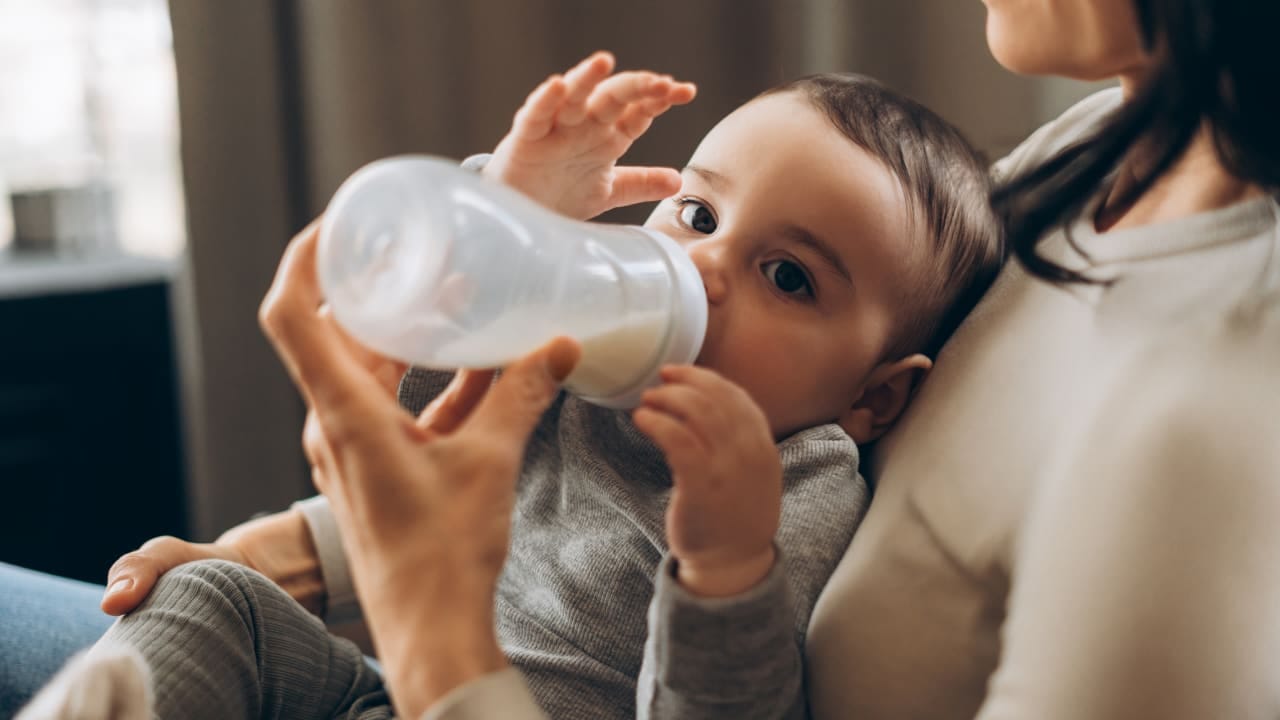
The hormone oxytocin is known to lower levels of cortisol, the primary stress hormone produced by the adrenal glands. Now, oxytocin measured in hair samples can provide insight into the longer-term emotional connection between mothers and young children, not just newborns, according to a study by Ben-Gurion University of the Negev. Published under the title “Child and maternal hair oxytocin: A novel biomarker of dyadic emotional availability” in the journal European Neuropsychopharmacology, the study examines whether levels of chronic oxytocin secreted over several months are linked with the quality of parent–child interaction.
Most previous research has measured oxytocin in saliva, which captures short-term changes. In contrast, hair-based measurement offers a more stable, long-term biological marker, said BGU psychology professor Florina Uzefovsky, who led the study. The team focused on 28 mother–child pairs, with children aged three to five years. Oxytocin levels were measured from hair samples collected from both mothers and children, while the quality of their relationship was assessed during observed free-play interactions.
The researchers found that children’s hair oxytocin levels were higher than those of their mothers, and that oxytocin levels within each mother–child pair were positively correlated. Higher maternal oxytocin levels were linked with higher-quality emotional interaction between mother and child, particularly when children’s oxytocin levels were low to average. This suggested that biological factors from both mother and child may jointly shape interaction quality. Their investigation was the first ever to study the association between mothers’ and children’s hair oxytocin and the quality of the parent–child relationship.
“I was always interested in the intersection between psychology and biology,” Uzefovsky told The Jerusalem Post in an interview. “My bachelor’s degree was in psychobiology, and my master’s degree in clinical psychology. I did my doctoral studies at the Hebrew University of Jerusalem (HUJI), focusing my thesis on the various aspects of the biological basis of empathy, employing methods from the fields of social and developmental psychology, molecular genetics, and neuroendocrinology.”
Upon completing her Ph.D., she did post-doctoral training with Dr. Maayan Davidov of HUJI’s Social and Emotional Development Lab, conducting a longitudinal study of infant empathy development. She later worked at the Autism Research Centre at Cambridge University, investigating the role of receptor genes for oxytocin and vasopressin in brain function and social cognition in autism.

The quality of the mother-child relationship was assessed in a 20-minute free-play interaction, while oxytocin levels were measured from hair samples collected from both mother and child. Hair grows approximately one centimeter per month, so the three centimeters closest to the scalp reflect the cumulative secretion of hormones over three months. The hormone levels were analyzed using an ELISA assay with a commercially available kit.
Oxytocin levels positively associated with the parent–child relationship
The team found that maternal oxytocin levels were positively associated with the quality of the parent–child relationship as seen in interactions between them. “Saliva doesn’t provide data over a longer period because it’s produced all the time. Oxytocin is also found in the blood, but it changes regularly, and we didn’t want to take blood from young, healthy children for the study. Thus, hair is ideal – but it must not be dyed or straightened, as this changes what is found in the strands,” she explained.
The researchers haven’t yet looked into the possibility that oxytocin can be found in fingernails, as both hair and nails are composed of keratin. But they may examine this possibility in the future.
Due to the small sample size, the researchers emphasize that their findings are exploratory. While the results require replication in larger groups, they suggest that hair oxytocin could be a promising tool for studying long-term biological processes related to caregiving and emotional connection. The team plans a much larger sample in the coming months, which will involve fathers as well as mothers.
With stability in the parent-child relationship being crucial for children’s socio-emotional development, Uzefovsky concluded that chronic oxytocin is a more appropriate measure to examine these effects. The method the researchers developed to measure hair oxytocin concentrations made it possible to index cumulative oxytocin output over the preceding three months. It was part of a larger longitudinal study of empathy development.
It’s well known that when your dog looks softly and directly into your eyes, both your brain and your pet’s brain create oxytocin in the hypothalamus region. Once oxytocin is synthesized, it’s transported to and stored in the posterior pituitary gland, which releases it into the brain to function as a neurotransmitter. It’s the same hormone made in the brain of a new mother that creates a bond between her and her newborn.


No comments:
Post a Comment